
What Is Traditional Seating in an Auditorium?
By Tuygun Furniture | Published on
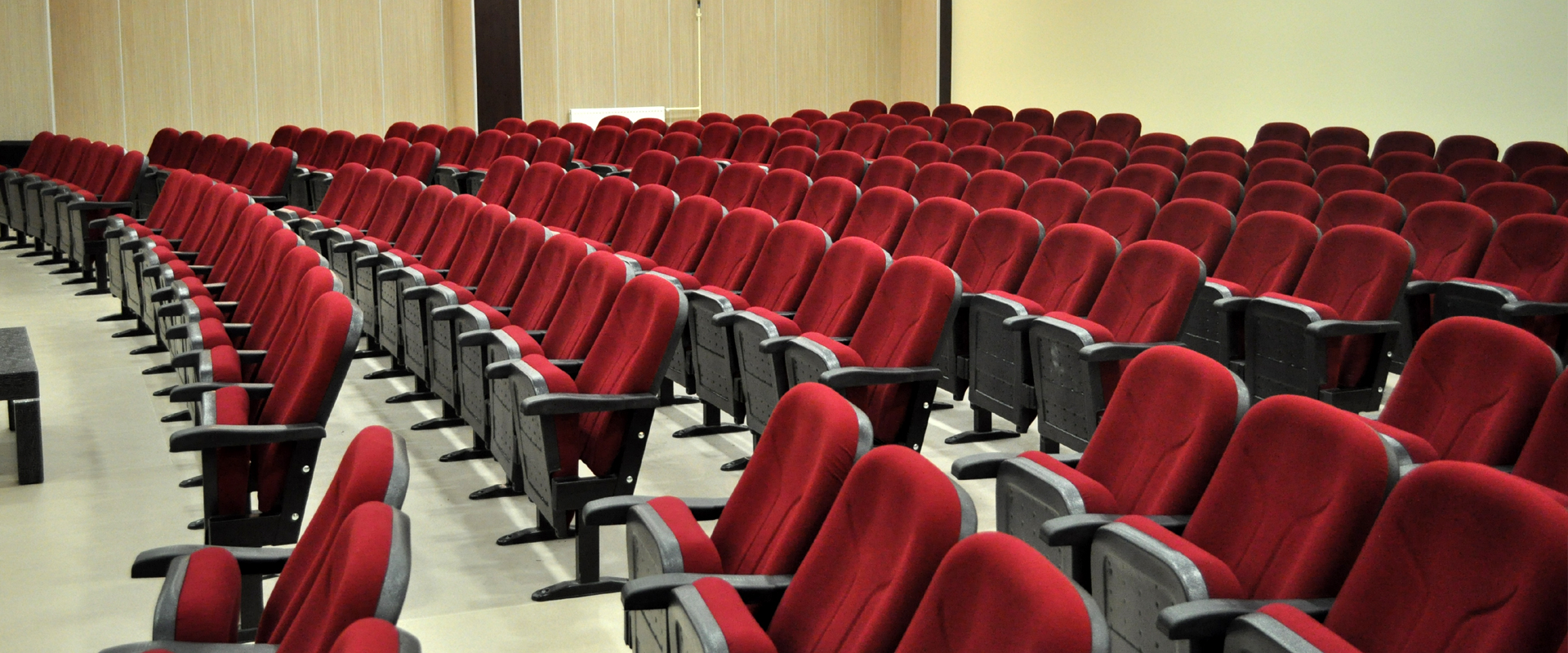
Traditional seating in an auditorium refers to the classic, fixed-row seating arrangement where all seats face the stage or central performance area. This arrangement is designed to maximize the number of attendees while maintaining clear sightlines and balanced acoustics throughout the space. Traditional auditorium seating is widely used in theaters, concert halls, lecture rooms, and conference centers. In this article, we will explore the features, benefits, and common applications of traditional seating in auditoriums, as well as provide SEO-friendly insights into its key characteristics.
1. Key Features of Traditional Auditorium Seating
Traditional seating arrangements are characterized by several distinct features:
a. Fixed Rows Facing Forward
The most defining aspect of traditional seating is that the rows of chairs are fixed in place and aligned in a uniform direction, typically facing the stage or screen. This ensures that each audience member has an unobstructed view of the focal point.
b. Stadium or Raked Seating
In many auditoriums, traditional seating is designed with a slight incline or "raked" seating, where each row is placed higher than the one in front. This allows for better visibility, especially in larger auditoriums where the back rows are farther from the stage.
c. Fixed Armrests and Folding Seats
Most traditional auditorium chairs come with fixed armrests for added comfort. The seats themselves are often foldable (spring-loaded), allowing for easier movement in and out of the rows when not in use.
d. Narrow Aisles for Maximum Capacity
Traditional seating arrangements prioritize space efficiency, often with narrow aisles and closely spaced rows to maximize audience capacity. Aisles are typically located on the sides of the seating sections, with occasional breaks in rows for access.
e. Standard Seat Sizes
Seat dimensions in traditional auditoriums are standardized to accommodate a wide range of body types. Seats are typically 17 to 22 inches wide (43 to 56 cm) and are spaced 30 to 36 inches (76 to 91 cm) apart from the back of one seat to the front of the next, offering adequate legroom while optimizing seating capacity.
2. Advantages of Traditional Auditorium Seating
Traditional seating is favored in many venues for a variety of reasons:
a. Efficient Space Utilization
This seating arrangement maximizes the number of seats that can be placed in a given space. The fixed rows allow for more people to be seated in a compact area, making it an ideal solution for large events such as conferences, theater performances, and concerts.
b. Clear Sightlines
In most traditional seating designs, the seats are arranged to ensure that each attendee has a clear and unobstructed view of the stage. When paired with stadium or raked seating, even those seated in the back rows can enjoy a good line of sight without being blocked by people in front of them.
c. Consistent Acoustics
Traditional seating helps create a balanced auditory experience by arranging seats in a uniform manner. Sound engineers can better predict how sound will travel throughout the auditorium, ensuring that every audience member enjoys consistent sound quality, regardless of where they are seated.
d. Predictable Seating Flow
Because traditional seating follows a fixed layout, it is easier for venues to manage the seating process. Attendees can easily locate their seats, and ushers can assist with minimal confusion. This organized flow is especially important for large events with many attendees.
e. Cost-Effective Design
For venues on a budget, traditional seating is often more affordable to install and maintain compared to more flexible seating arrangements such as retractable or modular seating. The simple, straightforward design also requires less frequent upkeep.
3. Challenges of Traditional Auditorium Seating
While traditional seating is highly functional, there are some potential drawbacks:
a. Limited Flexibility
One of the primary challenges of traditional seating is its lack of flexibility. Since the seats are fixed in place, the seating arrangement cannot be easily altered to accommodate different types of events or performances that may require alternative layouts.
b. Tight Space
In some traditional seating designs, the rows may be closely spaced, leading to limited legroom for attendees. This can make it uncomfortable for taller individuals or those with mobility issues, especially during long events.
c. Accessibility Concerns
Traditional seating with narrow aisles and fixed rows may not be as accommodating for individuals with disabilities. Special provisions often need to be made, such as providing accessible seating areas with extra space for wheelchairs and mobility devices.
4. Applications of Traditional Seating in Auditoriums
Traditional seating is widely used in various types of venues, including:
a. Theaters and Performing Arts Centers
In theaters, the primary goal is to provide a clear and immersive view of the stage. Traditional seating arrangements ensure that every attendee can focus on the performance, while the compact layout allows theaters to accommodate larger audiences.
b. Concert Halls
Concert venues often employ traditional seating to optimize the acoustics of the space. The symmetrical arrangement of seats allows sound to travel evenly, ensuring that both the front and back rows enjoy a rich auditory experience.
c. Lecture Halls and Conference Centers
In educational and corporate settings, traditional seating allows for efficient space use while providing a clear line of sight for presentations or speakers. It also ensures that attendees remain focused on the content being delivered.
d. Movie Theaters
Most movie theaters utilize traditional seating arrangements to ensure that every viewer has an unobstructed view of the screen. With raked seating, even the back rows provide a comfortable viewing experience.
5. SEO Considerations for Traditional Auditorium Seating
When optimizing content for SEO, it’s important to target relevant keywords that reflect the search intent of users. Here are some important SEO considerations for an article on traditional auditorium seating:
- Primary Keywords: "Traditional auditorium seating," "fixed seating in auditoriums," "auditorium seating arrangement"
- Secondary Keywords: "Best seating arrangement for theaters," "auditorium seating guide," "classic theater seating"
- Long-Tail Keywords: "Advantages of traditional seating in auditoriums," "traditional theater seating design," "what is fixed auditorium seating"
- Search Intent: The content should provide clear answers to questions about traditional seating, highlight the benefits and applications of this seating arrangement, and help users make informed decisions about venue design.
Conclusion
Traditional seating in an auditorium is a time-tested solution for maximizing space, providing clear sightlines, and ensuring consistent acoustics. It is commonly found in theaters, concert halls, lecture rooms, and other large venues. While it may not offer the flexibility of modern modular seating designs, its simplicity, efficiency, and cost-effectiveness make it a popular choice for many types of events.
By understanding the key features and benefits of traditional seating, venue designers and event organizers can make informed decisions that enhance audience comfort and experience.