
Interior Projects
By Tuygun Furniture | Published on
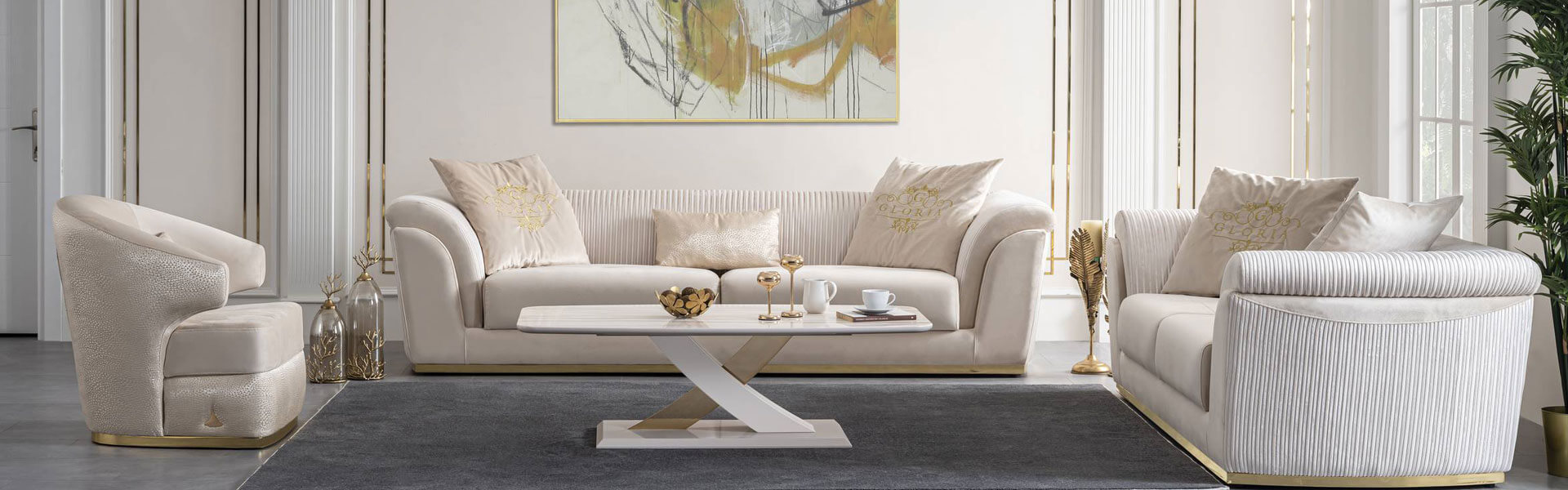
Certainly! Here's a brief overview of interior furniture manufacturing:
Interior furniture manufacturing is a vital sector within the broader furniture industry, focusing specifically on the production of furniture for interior spaces such as homes, offices, hotels, and other commercial establishments. This sector encompasses a wide range of products including sofas, chairs, tables, beds, cabinets, and other furnishings designed to enhance the functionality, comfort, and aesthetics of interior spaces.
Key aspects of interior furniture manufacturing include:
1. Design: The process typically begins with conceptualizing and designing furniture pieces that meet both functional and aesthetic requirements. Designers may draw inspiration from various sources such as contemporary trends, historical styles, or customer preferences.
2. Materials Selection: Choosing the right materials is crucial for ensuring the quality, durability, and visual appeal of the furniture. Common materials used in interior furniture manufacturing include wood, metal, plastic, upholstery fabrics, leather, and glass. Manufacturers must carefully select materials based on factors such as cost, strength, sustainability, and design requirements.
3. Production Techniques: Interior furniture manufacturing involves a variety of production techniques ranging from traditional craftsmanship to modern manufacturing processes. These may include carpentry, joinery, metalworking, upholstery, finishing, and assembly. Advanced technologies such as CNC (Computer Numerical Control) machining and 3D printing are also increasingly being integrated into the production process to enhance efficiency and precision.
4. Quality Control: Maintaining high standards of quality is essential to ensure customer satisfaction and product longevity. Quality control measures may include rigorous testing of materials, components, and finished products for strength, durability, safety, and compliance with industry standards and regulations.
5. Customization: Many interior furniture manufacturers offer customization services to meet the unique preferences and requirements of individual customers. This may involve adapting designs, materials, dimensions, finishes, and other features to create bespoke furniture solutions tailored to specific spaces and tastes.
6. Sustainability: With growing awareness of environmental issues, sustainability has become a key focus area for interior furniture manufacturers. Adopting eco-friendly practices such as using responsibly sourced materials, minimizing waste, reducing energy consumption, and implementing recycling initiatives is increasingly important for both ethical and business reasons.
7. Distribution and Marketing: Interior furniture manufacturers distribute their products through various channels such as retail stores, online platforms, wholesalers, and direct sales. Effective marketing strategies, including branding, advertising, and promotional activities, play a crucial role in attracting customers and establishing a competitive edge in the market.
Overall, interior furniture manufacturing is a dynamic and diverse industry that combines creativity, craftsmanship, technology, and business acumen to produce functional and stylish furnishings that enhance living and working environments.