
Kitchen furniture manufacturing
By Tuygun Furniture | Published on
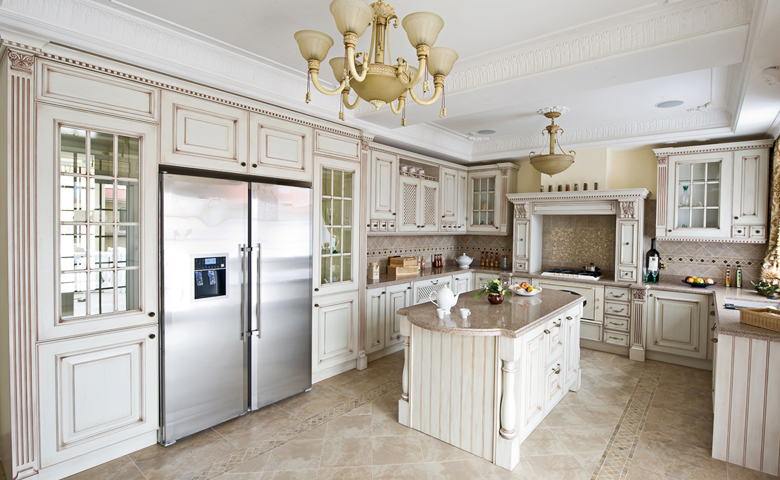
Certainly! Here's an overview focusing specifically on kitchen furniture manufacturing:
Kitchen furniture manufacturing is a specialized segment within the broader furniture industry that is dedicated to producing a wide range of furniture specifically designed for kitchen spaces. This includes cabinets, countertops, islands, pantry units, shelving, and various storage solutions tailored to meet the functional and aesthetic needs of modern kitchens.
Key aspects of kitchen furniture manufacturing include:
1. Design: Design plays a crucial role in kitchen furniture manufacturing, as the furniture must not only be aesthetically pleasing but also highly functional and space-efficient. Designers consider factors such as kitchen layout, workflow, storage requirements, and customer preferences to create innovative and ergonomic solutions.
2. Materials Selection: Selecting appropriate materials is essential for kitchen furniture manufacturing, as the furniture must withstand the unique challenges of the kitchen environment, including heat, moisture, and heavy usage. Common materials used in kitchen furniture production include wood, plywood, MDF (medium-density fiberboard), laminate, stainless steel, and quartz for countertops. Manufacturers often prioritize durable, water-resistant, and easy-to-clean materials for kitchen furniture.
3. Customization: Customization is a significant aspect of kitchen furniture manufacturing, as kitchens come in various shapes and sizes, and customer preferences vary widely. Manufacturers often offer a range of customizable options, including cabinet styles, finishes, hardware, and organizational features, to accommodate individual needs and design preferences.
4. Production Techniques: Kitchen furniture manufacturing involves a variety of production techniques, including woodworking, cabinetry construction, joinery, surface finishing, and assembly. Advanced machinery such as CNC routers and edge banding machines are commonly used to achieve precision and efficiency in production.
5. Quality Control: Maintaining high quality is paramount in kitchen furniture manufacturing to ensure that the furniture meets industry standards for durability, functionality, and safety. Manufacturers implement stringent quality control measures throughout the production process, including material inspections, craftsmanship checks, and product testing.
6. Sustainability: Sustainability is becoming increasingly important in kitchen furniture manufacturing, with consumers seeking eco-friendly options and environmentally conscious practices. Manufacturers may use sustainable materials, such as FSC-certified wood and low-emission finishes, and implement energy-efficient production processes to minimize their environmental impact.
7. Distribution and Installation: Kitchen furniture manufacturers typically distribute their products through various channels, including kitchen and bath showrooms, home improvement stores, and online platforms. Many manufacturers also offer installation services or work closely with contractors and kitchen designers to ensure proper installation and integration with other kitchen components.
Overall, kitchen furniture manufacturing is a specialized and dynamic industry that combines design innovation, craftsmanship, and technical expertise to create functional, stylish, and durable furniture solutions for modern kitchens.