What do you call the chairs in a theater?
By Tuygun Furniture | Published on
Exploring the Terminology: What Do You Call the Chairs in a Theater?
In the world of entertainment, theaters stand as cultural hubs, hosting a myriad of performances ranging from gripping dramas to captivating musicals and everything in between. At the heart of these theaters lies an essential element: the chairs. But what exactly are these chairs called, and what role do they play in enhancing the theater experience? Let's delve into the terminology and significance behind the chairs in a theater.
1. Theater Seats:
The most straightforward term for the chairs in a theater is simply "theater seats." These seats are specifically designed to accommodate audience members comfortably during performances, ensuring an enjoyable viewing experience.
2. Theater Chairs:
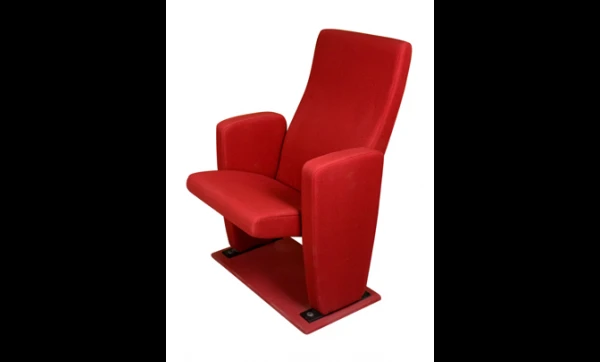
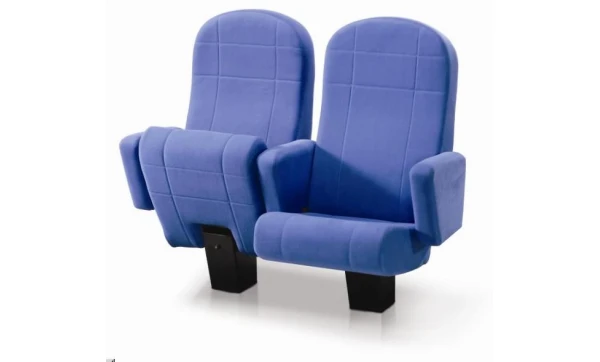
Similarly, theater chairs refer to the individual seating units within the theater. They are typically designed with ergonomic considerations to provide support and comfort for patrons over the course of a performance.
3. Auditorium Seating:
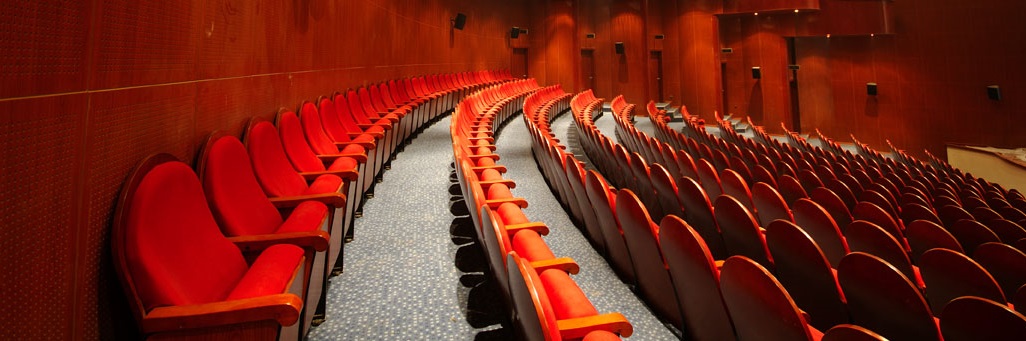
While primarily associated with auditoriums, the term "auditorium seating" is often used interchangeably with theater seating. It encompasses the layout and arrangement of seats within the theater space to optimize the audience's view and overall experience.
4. Fixed Seating vs. Portable Seating:
Theater seats can be categorized as either fixed or portable. Fixed seating refers to chairs that are permanently installed within the theater, whereas portable seating can be moved or rearranged to accommodate different events or audience sizes.
5. Seating Sections:
Within a theater, seating may be divided into sections such as orchestra, mezzanine, balcony, or gallery. Each section offers a unique perspective on the performance, with varying levels of proximity to the stage and pricing options.
6. Ergonomic Design:
The design of theater chairs is carefully considered to prioritize audience comfort and enjoyment. Features such as padded seats, armrests, and lumbar support contribute to a more pleasant viewing experience, especially during extended performances.
7. Aesthetic Considerations:
Beyond functionality, theater chairs also contribute to the overall aesthetic of the venue. The design, material, and color of the chairs are often chosen to complement the theater's decor and ambiance, enhancing the visual appeal of the space.