
The Rich Heritage of Turkish Furniture
By Tuygun Furniture | Published on
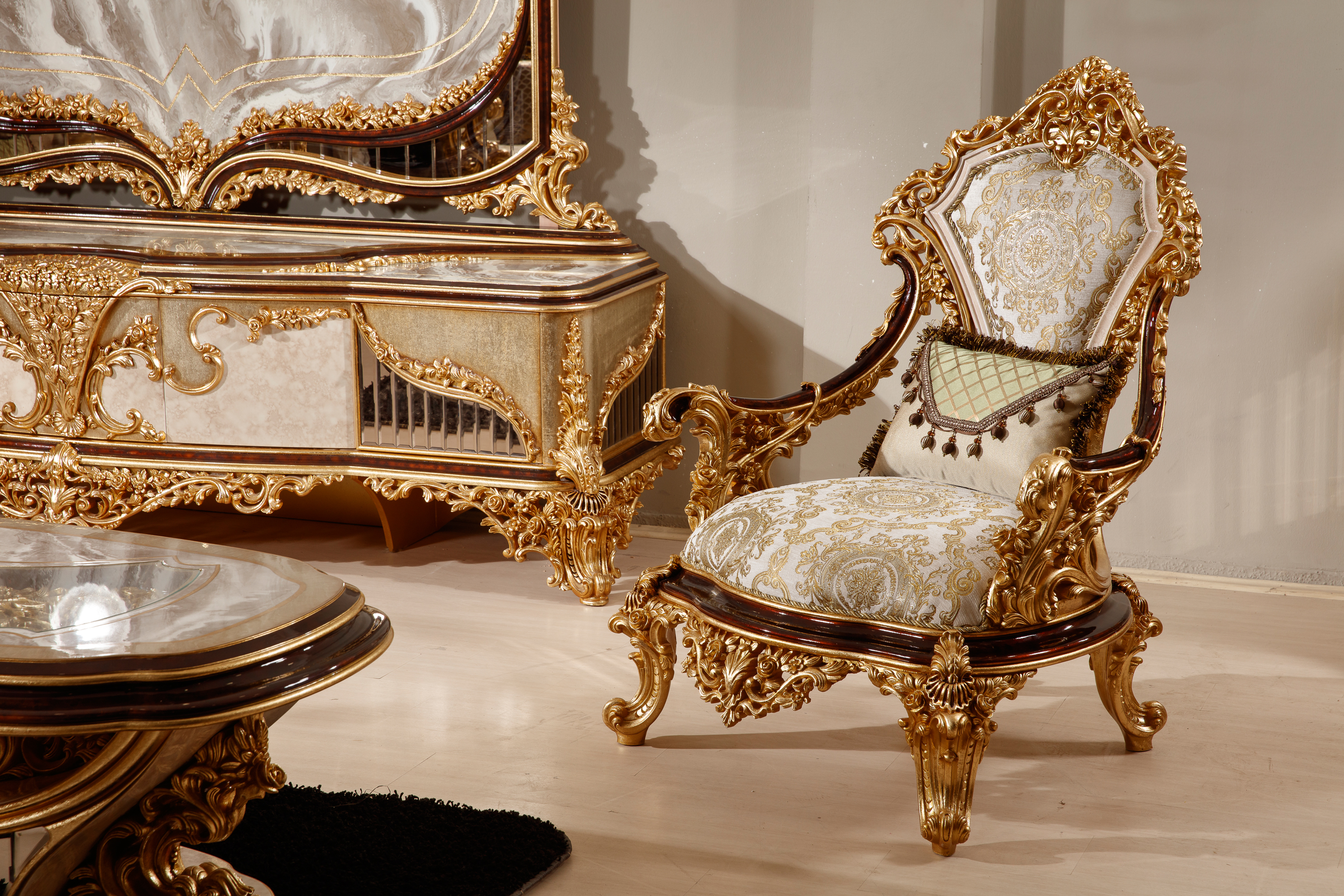
The Timeless Journey of Classic Turkish Sofa Sets: From Origins to Modern Luxury
Introduction: The Rich Heritage of Turkish Furniture
The history of Turkish furniture, particularly the Classic Turkish Sofa Set, stretches back centuries, intertwined with the art, culture, and lifestyle of the Ottoman Empire. Turkish furniture craftsmanship has long been celebrated for its intricate wood carvings, luxurious fabrics, and functional yet elegant designs. The Classic Turkish Sofa Set stands as one of the most iconic symbols of this rich tradition, blending aesthetic appeal with superior comfort.
Ottoman Influence: The Birth of Classic Turkish Sofas
The origins of the classic Turkish sofa set can be traced back to the opulent palaces and mansions of the Ottoman Empire (1299-1922). During this period, the Ottoman rulers and elites embraced furniture designs that reflected their wealth and power, with a particular emphasis on intricate detail and comfort.
Early Turkish sofas were often designed as divans—long, cushioned seating areas set against walls, typically low to the ground and covered in rich textiles such as velvet, silk, and brocade. These divans were adorned with colorful patterns inspired by nature, Islamic art, and geometry, emphasizing harmony and balance. The craftsmanship involved the finest woodwork, often with hand-carved details that would later become a hallmark of Turkish furniture.
As the Ottoman Empire expanded into Europe and North Africa, it absorbed artistic influences from these regions, blending them into its own aesthetic. Thus, the Classic Turkish Sofa began evolving into the more structured designs seen today, incorporating elements like elaborately carved wooden frames, curved armrests, and intricate inlays.
Evolution in Design: From Palaces to Homes
In the 19th and early 20th centuries, the modernization of the Ottoman Empire brought with it changes in furniture design. Influences from European styles, particularly Baroque and Rococo, began to seep into Turkish furniture-making. The Turkish sofa set became more refined and decorative, while still maintaining the essence of its Eastern roots.
This period saw the development of more formal sofa sets, complete with matching chairs, coffee tables, and other complementary pieces. The frames, typically made from solid walnut, beech, or mahogany, were now more prominently displayed, with beautiful hand-carved details. These pieces were often used in reception rooms or parlors, where they served as both a seating arrangement and a showpiece.
The Classic Turkish Sofa Set evolved to include high backs, upholstered cushions, and ornate wooden legs, becoming more functional without losing its ornamental charm. These pieces were designed to impress guests, often placed in homes where hospitality was central to Turkish culture.
Modern Adaptations: Combining Tradition with Innovation
As Turkey entered the modern era in the mid-20th century, the Classic Turkish Sofa Set began to evolve even further. Globalization brought new influences from contemporary Western furniture design, and Turkish furniture makers adapted, combining tradition with innovation. While the core elements of Turkish sofas—luxurious fabrics, detailed woodwork, and comfortable seating—remained intact, new materials, such as modern upholstery fabrics, metal accents, and minimalist designs, were incorporated.
Today, Classic Turkish Sofa Sets are more customizable than ever. Many modern versions offer customizable options, allowing homeowners and interior designers to select different fabrics, colors, and finishes that fit various decor styles. Leather, suede, and modern upholstery fabrics like velvet are now just as popular as traditional brocade and silk.
One notable evolution is the shift in focus towards ergonomics and durability. While traditional Turkish sofas emphasized aesthetic appeal, today’s designs are crafted to ensure long-lasting comfort, with support for the back and legs. Many sofa sets now come with plush cushions and deeper seating, meeting the needs of contemporary lifestyles.
Turkish Sofa Sets in Contemporary Spaces
In the 21st century, the appeal of Classic Turkish Sofa Sets has transcended borders. They are now sought after by collectors, interior designers, and homeowners all over the world, who appreciate their timeless beauty and luxurious comfort. Whether placed in traditional or modern interiors, these sofas offer an unmatched blend of elegance and functionality.
In contemporary homes, hotels, and even restaurants, Classic Turkish Sofa Sets are often used as statement pieces, combining old-world charm with modern sophistication. The intricate craftsmanship and cultural richness of these sofas provide a sense of heritage, while their comfortable and customizable designs make them practical for everyday use.
Conclusion: The Timeless Appeal of Classic Turkish Sofa Sets
The journey of the Classic Turkish Sofa Set from its Ottoman origins to its place in modern interiors is a testament to its timeless appeal. For centuries, these sofas have represented the pinnacle of luxury and craftsmanship, embodying the rich cultural history of Turkey. As they continue to evolve, blending traditional designs with modern conveniences, Classic Turkish Sofa Sets remain beloved for their beauty, comfort, and adaptability.
Whether in a palace, a contemporary home, or a luxurious hotel, the Classic Turkish Sofa Set continues to evoke a sense of elegance, comfort, and heritage that few other pieces of furniture can match.