
What is the name of the seating in a theater?
By Tuygun Furniture | Published on
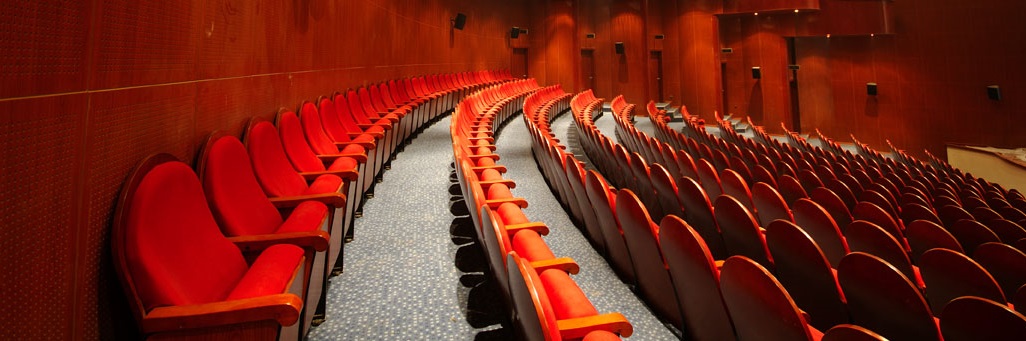
The seating in a theater is commonly referred to as "auditorium seating." Auditorium seating is specifically designed for public performance venues like theaters, concert halls, lecture rooms, and cinemas. These seats are typically arranged in rows, allowing for a clear view of the stage or screen, and are designed for comfort over extended periods of sitting. Here's a breakdown of the common types of seating you might find in a theater:
1. Stadium Seating
This design features a sloped floor, with each row positioned higher than the one in front, ensuring that every audience member has an unobstructed view of the performance. Stadium seating is popular in both modern theaters and large cinemas.
2. Continental Seating
In this arrangement, there are no aisles dividing the seating sections. Instead, seats are arranged in a continuous row, maximizing capacity and providing a wider stage view. However, due to fire safety regulations, this design is often limited in modern theater construction.
3. American Seating
American seating features rows divided by at least one central aisle, making it easier for attendees to access their seats. This style is very common in traditional theaters and older cinema designs.
4. VIP or Luxury Seating
For premium customers, many theaters offer VIP or luxury seating. These chairs are usually wider, more cushioned, and sometimes come with reclining features or additional legroom. They are often located in special sections for a more exclusive viewing experience.
5. Folding Auditorium Seats
Folding seats are also prevalent in many theaters. These seats have an automatic folding mechanism, which helps optimize space and keep aisles clear when they’re not occupied.
Key Features of Theater Seating:
- Durability: Most theater seats are made with durable materials, such as upholstered seats with metal or wooden frames, and often use high-density foam for lasting comfort.
- Spacing: Proper spacing between rows ensures that audience members can comfortably pass through the aisle and find their seats without disrupting others.
- Accessibility: Modern theaters often include accessible seating for individuals with disabilities, ensuring equal viewing opportunities for everyone.
In addition to these types, auditorium seating can be customized based on fabric, design, and even special features like built-in cup holders or armrests. The seating is not only essential for comfort but also enhances the overall aesthetic of the theater space.
Choosing the right theater seating depends on the venue’s design, audience expectations, and the type of performances it will host.